Keywords
Integrative Oncology, Allopathic Medicine, Herbal Medicine, Phytochemicals, Drug Resistance, Quality of Life, Evidence-Based Medicine.
Abstract
Cancer remains a leading global health challenge, with management predominantly relying on allopathic modalities like chemotherapy, radiotherapy, and targeted therapy. While these conventional treatments provide potent, evidence-based tumor control, they often incur significant toxicity and compromised quality of life.
In parallel, herbal medicine rooted in traditional systems such as Ayurveda and Traditional Chinese Medicine is gaining renewed attention for its multi-targeted action on pathways including apoptosis, angiogenesis, and metastasis. Preclinical and emerging clinical studies highlight the potential of phytochemicals like curcumin and quercetin not only as anti-cancer agents but also as adjuvants to alleviate treatment-related adverse effects and overcome drug resistance.
This review systematically compares the principles, efficacy, and safety of allopathic and herbal interventions in oncology. By synthesizing evidence from over 40 scientific publications, this review proposes a shift toward an integrative oncology model that synergistically combines the targeted efficacy of conventional treatments with the supportive, multi-mechanistic benefits of validated herbal approaches.
Such integration aims to enhance therapeutic outcomes, reduce morbidity, and improve holistic patient care throughout the cancer journey.
1. Introduction
Cancer represents a paramount and escalating challenge to global public health, characterized by its pervasive incidence and profound social and economic impact. Current epidemiological data indicate that in 2020 there were approximately 19.3 million new cancer cases and 10 million deaths worldwide. Projections for 2040 suggest a 47 percent increase to nearly 28.4 million annual cases, driven by demographic aging, population growth, and the widespread adoption of risk-associated lifestyles such as smoking, unhealthy diets, and physical inactivity [1]. This growing burden is expected to disproportionately affect low- and middle-income nations, where healthcare systems are often least equipped to manage the complex demands of diagnosis, treatment, and palliative care [2].
In response to this challenge, the allopathic paradigm of modern Western medicine has established itself as the cornerstone of oncological practice. Its authority is grounded in rigorous adherence to the scientific method, emphasizing empirical validation, standardized diagnostic criteria, and reproducible therapeutic protocols [3]. The allopathic approach encompasses a multimodal strategy involving surgical resection for localized tumor removal, chemotherapy and radiotherapy for systemic and regional control, and newer modalities such as targeted therapy and immunotherapy. These advancements represent major milestones in precision oncology, designed to interfere with molecular pathways crucial for tumor progression or to enhance immune-mediated tumor eradication. Such developments have significantly improved survival rates and even achieved curative outcomes for several malignancies, including testicular cancer and Hodgkin lymphoma [4].
Despite its successes, this paradigm has inherent limitations. The non-selective nature of chemotherapy and radiotherapy frequently causes severe systemic toxicities such as neuropathy, cardiotoxicity, myelosuppression, and chronic fatigue, which collectively diminish the quality of life of cancer patients [5]. Furthermore, the emergence of multidrug resistance remains a major obstacle that often results in therapeutic failure and disease recurrence. Within this critical therapeutic gap between high efficacy and substantial morbidity, a renewed global interest in herbal medicine has emerged [6].
This resurgence is rooted in humanity’s long-standing reliance on traditional medical systems. The World Health Organization estimates that a large proportion of the global population continues to depend on traditional medicine, including herbal formulations, for primary healthcare [7]. In oncology, the use of complementary and alternative medicine is particularly widespread, with many patients turning to herbal therapies. Motivations for this trend include a desire for holistic, patient-centered care that addresses the mind, body, and spirit, as well as the perception that natural compounds may alleviate the adverse effects of conventional treatments [8].
The integration of plant-derived therapeutics into modern oncology underscores the potential of natural compounds in cancer treatment. Several landmark anticancer drugs, such as paclitaxel from the Pacific yew tree, vinblastine and vincristine from the Madagascar periwinkle, and topotecan from the tree Camptotheca acuminata, originated from botanical sources. These examples highlight the capacity of plants to provide bioactive molecules with potent anticancer effects through mechanisms that target multiple pathways, including apoptosis, proliferation, angiogenesis, and metastasis [9].
However, the concurrent and often unsupervised use of herbal and allopathic therapies introduces significant clinical challenges [10]. Herb–drug interactions can alter drug absorption, metabolism, and clearance, potentially affecting therapeutic efficacy and toxicity. Furthermore, the absence of standardized extraction methods and quality control creates uncertainty regarding product safety and potency. These issues underscore the urgent need for a rigorous, evidence-based framework for evaluating and integrating herbal medicine into cancer care [11].
The purpose of this review is to move beyond anecdotal evidence and systematically synthesize existing scientific findings. It aims to elucidate the philosophical and mechanistic foundations of both allopathic and herbal systems, critically compare their clinical efficacy and safety, and explore their potential for synergistic integration [12]. Through a comprehensive evaluation of current research, this review proposes a framework for the future of integrative oncology—an evidence-driven approach that combines the precision of modern medicine with the holistic and multi-targeted strengths of validated herbal compounds. The ultimate goal is to improve survival, reduce treatment-related morbidity, and promote a more balanced, patient-centered model of cancer care [13].
2. Literature Methodology
A comprehensive and systematic literature search was conducted to identify relevant peer-reviewed articles, clinical trials, meta-analyses, and review papers addressing the comparative and integrative aspects of allopathic and herbal medicine in cancer treatment. The search covered multiple electronic databases, including PubMed, MEDLINE, Scopus, Web of Science, Google Scholar, and the Cochrane Library. The time frame for inclusion spanned from January 2000 to September 2023 to ensure coverage of contemporary research, while also incorporating seminal historical works for contextual depth.
The search strategy combined Medical Subject Headings (MeSH) and free-text terms, employing Boolean operators to refine the results. Key search terms included “Neoplasms,” “Cancer,” “Oncology,” “Allopathic Medicine,” “Conventional Therapy,” “Herbal Medicine,” “Phytotherapy,” “Efficacy,” “Safety,” and “Integrative Oncology.”
Inclusion criteria required studies to be published in English and to involve human participants, in vitro models, or in vivo animal models relevant to cancer. Eligible studies were those that compared allopathic and herbal interventions or evaluated herbal effects within standard cancer treatment frameworks, providing clear mechanistic, efficacy, or safety data. Exclusion criteria included non-English publications, studies lacking sufficient methodological detail, articles focused solely on non-herbal complementary modalities, and non-empirical publications such as editorials or commentaries.
The initial search identified more than 5,000 records. After removing duplicates and screening titles and abstracts, full-text articles were retrieved for detailed evaluation. A final selection of eligible studies constituted the evidence base for this review. Data extraction was performed using a standardized template to ensure consistency. Given the heterogeneity of study designs, a narrative synthesis approach was employed to thematically present and integrate the findings.
3. The Allopathic Paradigm
The allopathic paradigm is grounded in evidence-based medicine and focuses primarily on the diagnosis and treatment of diseases through pharmacological, surgical, and technological interventions. Its therapeutic mechanisms are largely reductionist, targeting specific molecular pathways, receptors, or pathogens responsible for disease manifestation. This approach has led to remarkable successes in acute care, infectious disease control, trauma management, and life-saving interventions [14].
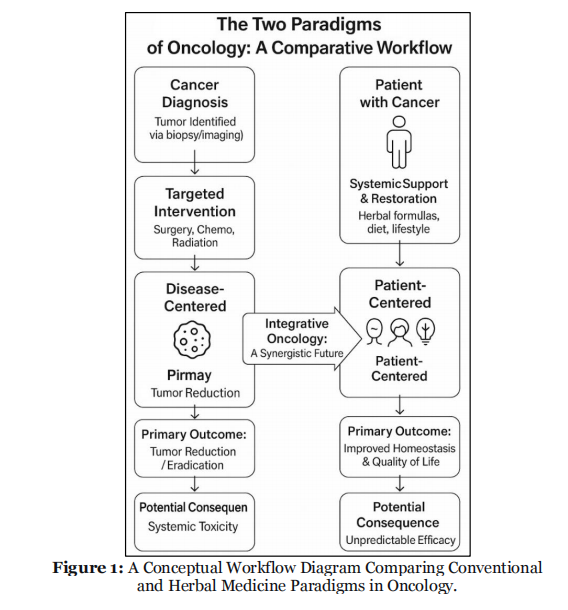
Figure 1. Fundamental approaches of two medical paradigms in cancer care.
The conventional allopathic pathway (left) represents a disease-centered model focused on direct tumor reduction through targeted interventions such as surgery, chemotherapy, and radiotherapy. Its primary goal is tumor eradication, although this often occurs at the expense of systemic toxicity and adverse effects on normal tissues [15].
In contrast, the herbal medicine pathway (right) embodies a patient-centered philosophy that emphasizes systemic support, restoration of physiological balance, and holistic well-being through the use of botanicals, dietary regulation, and lifestyle modification. While this approach promotes homeostasis and quality of life, it may encounter limitations in terms of predictable efficacy and standardization [16].
The central concept of integrative oncology illustrates a synergistic model that seeks to unify the strengths of both paradigms, combining evidence-based conventional therapies with validated herbal interventions to achieve optimized, patient-centered cancer care [17].
Allopathic medicine is fundamentally reductionist and disease-centric. It operates on the principle that diseases are caused by specific, identifiable pathogens or physiological dysfunctions (e.g., genetic mutations, viral infections). The goal of treatment is to target and eliminate this specific causative agent or pathological process [18]. In oncology, this translates to a primary focus on the tumor itself its size, location, genetic makeup, and rate of growth. The patient is often viewed through the lens of the disease, with health defined as the absence of pathology. This approach has been immensely successful in developing powerful, targeted interventions but can sometimes overlook the systemic and psychological dimensions of the patient’s experience [19].
3.2. The Primary Treatment Modalities
3.2.1. Surgery
This is the oldest and most definitive cancer treatment for solid tumors. The objective is the complete physical resection of the malignant tissue along with a margin of healthy tissue to ensure no microscopic disease remains. It is most effective for localized cancers and can be curative. Advances include minimally invasive techniques (laparoscopic and robotic surgery) that reduce recovery times [20].
3.2.2. Chemotherapy
Cytotoxic chemotherapeutic agents form the cornerstone of conventional cancer therapy, functioning by systemically targeting and destroying rapidly dividing cells, a defining feature of malignancy. These agents act through diverse mechanisms to disrupt cellular proliferation and induce apoptosis. Alkylating agents, such as cyclophosphamide, damage DNA by attaching alkyl groups to its strands, thereby preventing replication and cell division. Antimetabolites, including 5-fluorouracil and methotrexate, mimic essential cellular metabolites and become incorporated into DNA or RNA, resulting in impaired nucleic acid synthesis [21].
Anti-tumor antibiotics, exemplified by doxorubicin, intercalate between DNA bases and inhibit the enzyme topoisomerase II, causing strand breaks and blocking replication. Plant-derived alkaloids, such as vincristine and paclitaxel, interfere with the mitotic spindle apparatus by disrupting microtubule dynamics, ultimately halting mitosis [22]. Topoisomerase inhibitors, including irinotecan and etoposide, obstruct the enzymatic processes necessary for DNA unwinding and strand separation, leading to replication failure and programmed cell death. Collectively, these agents remain integral to cancer management despite their inherent limitations, such as systemic toxicity and the potential for multidrug resistance [23].
3.2.3. Radiotherapy
Uses high-energy ionizing radiation (X-rays, gamma rays) to cause irreparable DNA damage in cancer cells, leading to cell death. Modern techniques like Intensity-Modulated Radiotherapy (IMRT) and Stereotactic Radiosurgery (SRS) allow for highly precise targeting, maximizing tumor dose while sparing surrounding healthy tissues [24].
3.2.4. Targeted Therapy and Immunotherapy
Targeted therapy and immunotherapy represent the cutting edge of modern allopathic oncology, reflecting a paradigm shift from non-specific cytotoxic treatments to precision-based approaches. Targeted therapies employ drugs designed to specifically interact with molecular pathways or genetic alterations that drive tumor growth and survival [25]. Examples include tyrosine kinase inhibitors such as imatinib, which revolutionized the treatment of chronic myeloid leukemia by selectively inhibiting the BCR-ABL fusion protein, and monoclonal antibodies such as trastuzumab, which targets the HER2 receptor in HER2-positive breast cancer, effectively suppressing tumor proliferation [26].
Immunotherapy, in contrast, harnesses and enhances the body’s immune system to recognize and eliminate malignant cells. Checkpoint inhibitors, including pembrolizumab and nivolumab, block immune checkpoint proteins that normally suppress T-cell activity, thereby restoring the immune response against cancer [27]. Chimeric antigen receptor (CAR) T-cell therapy represents a further innovation, involving the genetic modification of a patient’s own T cells to express receptors that specifically identify and attack tumor antigens. Together, these therapies have transformed oncology by offering durable responses and improved survival in multiple cancer types, though challenges such as immune-related toxicities, resistance mechanisms, and cost continue to limit universal accessibility [28].
3.3. Strengths of Allopathic Oncology
Allopathic medicine possesses several defining strengths that have established it as the dominant paradigm in modern oncology. Its high potency and rapid therapeutic response enable substantial and often immediate tumor regression, particularly in aggressive malignancies. Treatments are delivered through standardized protocols with precisely defined dosages, ensuring reproducibility and consistency of outcomes across diverse clinical settings [29].
This system is underpinned by a robust evidence base derived from a hierarchical framework of scientific validation, encompassing preclinical experiments, clinical trials, and large-scale randomized, double-blind, placebo-controlled studies [30]. Regulatory oversight by authoritative agencies such as the U.S. Food and Drug Administration and the European Medicines Agency enforces stringent approval processes, guaranteeing defined standards of safety, efficacy, and quality control. Moreover, allopathic oncology remains the only medical framework offering potentially curative interventions for many localized and hematologic malignancies, such as acute leukemias and lymphomas, underscoring its critical role in evidence-based cancer care [31].
3.4. Limitations and Unmet Needs
Despite its established efficacy, the allopathic paradigm in oncology is beset by significant limitations that profoundly impact patient safety, treatment sustainability, and overall quality of life. A fundamental drawback lies in the non-selective mechanism of action of conventional cytotoxic chemotherapies, which target all rapidly dividing cells, leading to widespread systemic toxicity in healthy tissues [32].
This manifests as a spectrum of adverse effects, including myelosuppression damage to bone marrow resulting in anemia, neutropenia with its attendant infection risk, and thrombocytopenia that increases bleeding risk. Furthermore, patients frequently endure gastrointestinal toxicity such as nausea, vomiting, and oral mucositis; neurotoxicity presenting as peripheral neuropathy or cognitive impairment (“chemo brain”); and organ-specific damage, notably cardiotoxicity from agents like doxorubicin. Additional burdens include alopecia and a pervasive, debilitating fatigue that significantly impairs daily functioning [33].
Beyond acute toxicity, a major therapeutic challenge is the development of multidrug resistance (MDR), wherein cancer cells evolve mechanisms such as increased drug efflux and enhanced DNA repair, leading to treatment failure in advanced disease. Compounding these clinical challenges is the issue of high financial toxicity, as the exorbitant cost of novel agents, particularly targeted therapies and immunotherapies, creates substantial barriers to access and imposes severe economic strain on patients and healthcare systems alike.
Finally, the intense focus of allopathic medicine on eradicating the disease, while crucial, can sometimes lead to a relative neglect of the patient’s holistic well-being, overlooking critical aspects such as psychological distress, nutritional status, and spiritual needs, thereby highlighting a gap in comprehensive patient-centered care [34].
4. The Herbal Paradigm: Tradition, Science, and Holism
4.1. Philosophical Underpinnings: A Holistic and Vitalistic Approach
In stark contrast to allopathy, traditional herbal systems like Ayurveda and TCM are holistic and vitalistic. They view health as a state of dynamic balance within the body (e.g., doshas in Ayurveda, Yin and Yang in TCM) and between the body and its environment. Disease arises from an imbalance in these fundamental energies [35].
Treatment, therefore, is not aimed solely at eliminating a pathogen but at restoring the body’s innate equilibrium and strengthening its self-healing capacity. The approach is patient-centric, considering physical, mental, emotional, and spiritual dimensions as interconnected. The same cancer diagnosis might be treated with different herbal formulations in two different patients based on their unique constitutional presentation [36].
4.2. Historical Use and Global Prevalence
The use of plants in medicine predates recorded history. Ancient texts from India (Sushruta Samhita, Charaka Samhita), China (Shennong Bencao Jing), and Egypt (Ebers Papyrus) document thousands of plant-based remedies for various ailments, including tumors and abnormal growths.
In the contemporary context, CAM use among cancer patients is ubiquitous [37]. A systematic review by found prevalence rates ranging from 25% in some Western countries to over 80% in parts of Asia and the Middle East. Commonly used modalities include dietary supplements, vitamins, minerals, and a vast array of herbal products. Patients often turn to these therapies to boost immunity, improve quality of life, alleviate side effects, and, in some cases, directly treat the cancer itself [38].
4.3. Mechanistic Pathways of Anti-Cancer Herbs
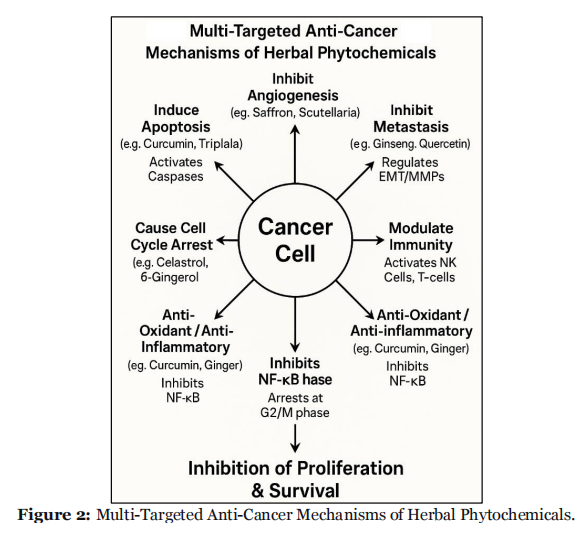
Modern pharmacological research has begun to validate the anti-cancer properties of many traditional herbs, elucidating their complex, multi-targeted mechanisms. Fig. 2. illustrates the complex, multi-targeted approach through which various herbal compounds exert anti-cancer effects. Unlike conventional single-target drugs, these phytochemicals simultaneously influence multiple critical pathways in carcinogenesis [39].
Key mechanisms include: inducing programmed cell death (apoptosis) through caspase activation; inhibiting cancer proliferation by causing cell cycle arrest at specific phases; preventing metastasis by regulating epithelial-mesenchymal transition (EMT) and matrix metalloproteinases (MMPs); and modulating immune function by activating natural killer cells and T-cells.
Additionally, compounds like curcumin and ginger provide anti-oxidant and anti-inflammatory effects primarily through inhibition of the NF-κB pathway, while others such as celastrol and 6-gingerol demonstrate specific cell cycle arrest capabilities [40].
4.3.1. Apoptosis and Cell Cycle Arrest
A growing body of evidence demonstrates that many phytochemicals can selectively induce programmed cell death in cancer cells through the activation of multiple molecular pathways. Curcumin, a bioactive compound derived from Curcuma longa, promotes apoptosis by activating caspase cascades and modulating Bcl-2 family proteins, thereby restoring the balance between pro-apoptotic and anti-apoptotic signals [41].
The Ayurvedic polyherbal formulation Triphala has been shown to induce apoptosis in oral squamous cell carcinoma cells through the inhibition of the PI3K/Akt signaling pathway, leading to cell cycle arrest and reduced tumor proliferation. Similarly, celastrol, a triterpenoid compound isolated from Tripterygium wilfordii, triggers apoptosis via the activation of the JNK1/2 signaling cascade and has demonstrated the ability to overcome drug resistance, particularly against vincristine-resistant oral cancer cells. Collectively, these findings highlight the mechanistic diversity of phytochemicals and their capacity to target multiple pro-survival pathways, positioning them as promising candidates for the development of novel, multi-targeted anticancer therapies [42].
4.3.2. Inhibition of Proliferation and Angiogenesis
Tumor progression beyond a few millimeters in diameter necessitates the development of a vascular network to sustain nutrient and oxygen supply. Several herbal compounds have demonstrated the ability to inhibit this process by modulating angiogenic signaling and suppressing endothelial proliferation [43]. Crocus sativus (saffron) and its bioactive constituent crocin inhibit nucleic acid synthesis and downregulate pro-angiogenic mediators such as vascular endothelial growth factor, thereby limiting neovascularization and tumor expansion. Likewise, Scutellaria baicalensis (Chinese skullcap) contains the flavonoids baicalein and baicalin, which effectively inhibit tumor cell proliferation and angiogenesis across diverse cancer models [44].
Beyond their anti-angiogenic properties, numerous phytochemicals exhibit anti-metastatic and anti-invasive activities, targeting pathways central to cancer dissemination. Panax ginseng–derived ginsenosides suppress the migration and invasion of malignant cells by regulating epithelial–mesenchymal transition–related proteins, thereby maintaining epithelial integrity [45]. Quercetin, a ubiquitous dietary flavonoid, further impedes metastatic spread by downregulating matrix metalloproteinases and enhancing E-cadherin expression, which strengthens intercellular adhesion and limits tissue invasion. Collectively, these findings underscore the potential of herbal bioactives to inhibit both angiogenic and metastatic mechanisms, offering a complementary and mechanistically diverse approach to conventional anticancer therapies [46].
4.3.4. Immunomodulation
Several herbs are known as “adaptogens” and can modulate the immune system. Echinacea spp., Astragalus membranaceus, and medicinal mushrooms (e.g., Ganoderma lucidum, Reishi) are traditionally used and scientifically shown to enhance immune surveillance by activating natural killer (NK) cells, macrophages, and T-cells [47].
4.3.5. Antioxidant and Anti-inflammatory Effects
Chronic inflammation and oxidative stress are key enablers of carcinogenesis. Curcumin and Quercetin are potent anti-inflammatory agents that inhibit the NF-κB pathway, a master regulator of inflammation. Gingerols from Ginger (Zingiber officinale) reduce levels of pro-inflammatory cytokines like TNF-α and IL-6 [48], [49].
4.3.6. Epigenetic Modulation
Emerging evidence shows that phytochemicals can reverse aberrant epigenetic changes in cancer cells. Allyl Isothiocyanate (from cruciferous vegetables): Decreases DNA methylation and inhibits histone deacetylases (HDACs), leading to the reactivation of tumor suppressor genes [50].
4.4. Strengths of Herbal Medicine in Oncology
Herbal medicine offers several distinct advantages that make it an appealing complement to conventional oncology [51]. Its inherently multi-targeted nature, often described as a “polypharmacy” effect, enables whole plant extracts to act simultaneously on multiple molecular pathways involved in cancer progression. This multi-faceted mechanism not only enhances therapeutic breadth but may also reduce the likelihood of drug resistance, a common limitation of single-target chemotherapeutics [52].
In addition to its biological versatility, herbal medicine embraces a holistic perspective that addresses the physical, psychological, and emotional dimensions of patient well-being. Many herbal interventions are reported to improve vitality, sleep quality, appetite, and overall quality of life, contributing to a more comprehensive approach to care. When used appropriately, herbal preparations also demonstrate a favorable safety profile, typically producing fewer and less severe adverse effects than cytotoxic chemotherapy [53].
Another important advantage lies in their adjuvant and synergistic potential. Certain phytochemicals have been shown to enhance the efficacy of conventional therapies while mitigating treatment-related toxicity, thereby protecting healthy tissues from collateral damage [54]. Furthermore, the cultural relevance of traditional herbal practices fosters patient empowerment by aligning treatment approaches with individual beliefs, values, and preferences. Collectively, these attributes highlight the therapeutic promise of herbal medicine as both a supportive and integrative component of modern cancer care [55].
4.5. Limitations and Critical Challenges
Despite the promising therapeutic potential of herbal medicine, its integration into evidence-based oncology practice remains constrained by several interconnected challenges [56]. One of the most fundamental obstacles is the lack of standardization and quality control, as the concentration of bioactive constituents in plant materials can vary widely depending on soil composition, climate, geographic origin, and harvest time [57]. These variations often result in inconsistent efficacy and safety profiles across different batches. Compounding this issue are the risks of adulteration, contamination with heavy metals, pesticide residues, or accidental species substitution within an inadequately regulated global marketplace [58].
A further limitation lies in the scarcity of high-quality clinical data. Although numerous in vitro and in vivo preclinical studies demonstrate encouraging anticancer effects, large-scale Phase III randomized controlled trials in humans remain rare. This lack of Level I clinical evidence prevents oncologists from confidently endorsing many herbal interventions as part of standardized treatment protocols [59].
Herb–drug interactions constitute another major safety concern. Certain herbal constituents can significantly alter the pharmacokinetics of chemotherapeutic agents by inhibiting or inducing cytochrome P450 enzymes or modulating drug transporters such as P-glycoprotein. Such interactions can reduce plasma drug concentrations, compromise therapeutic efficacy, or exacerbate toxicity [60].
Moreover, many bioactive phytochemicals face intrinsic pharmacokinetic challenges, including poor solubility, rapid metabolism, and limited systemic bioavailability. Curcumin exemplifies this issue, as its rapid clearance from circulation severely limits its therapeutic potential and necessitates the development of advanced drug delivery systems, including nanoparticles and phospholipid complexes, to enhance its stability and absorption [61].
These scientific and manufacturing challenges are further compounded by permissive regulatory frameworks that are often less stringent than those governing pharmaceutical agents [62]. In addition, a persistent communication gap between patients and healthcare providers remains a critical barrier; many patients fail to disclose their use of herbal supplements, either due to fear of disapproval or the absence of physician inquiry. This lack of transparency introduces potentially serious safety risks and underscores the need for greater education and open dialogue in integrative oncology practice [63].
5. Head-to-Head Comparative Analysis
5.1. Comparative Analysis of Efficacy in Tumor Control
The efficacy of any therapeutic modality must be assessed through objective clinical endpoints such as tumor response rate, progression-free survival, and overall survival. Within this framework, allopathic medicine demonstrates unequivocal superiority in achieving rapid and substantial tumor regression, particularly in localized and aggressive malignancies [64]. Neoadjuvant chemotherapy in breast cancer, for instance, can result in a pathological complete response in a considerable proportion of patients, a well-established predictor of long-term survival [65].
Similarly, the success of targeted therapies such as imatinib in chronic myeloid leukemia has transformed what was once a uniformly fatal disease into a manageable chronic condition with markedly improved survival outcomes. These results are supported by large, multi-center, phase III randomized controlled trials that provide a robust and reproducible evidence base for therapeutic efficacy [66].
In contrast, herbal medicine, when used as a standalone intervention, is not considered curative for most advanced or metastatic solid tumors. To date, no large-scale clinical trials have demonstrated survival outcomes comparable to those achieved through conventional oncologic therapies in cancers such as lung, pancreatic, or metastatic colorectal carcinoma. However, the strength of herbal medicine lies in its complementary and supportive applications within integrative oncology [67].
As an adjunct to conventional therapy, certain herbal compounds have demonstrated the ability to enhance the cytotoxic efficacy of chemotherapeutic agents while simultaneously mitigating treatment-related toxicity. For example, combinations of crocin, a bioactive constituent of saffron, with cisplatin have shown synergistic effects in malignant cells while reducing damage to normal tissues [68]. Herbal formulations have also been investigated for their capacity to modulate pre-cancerous conditions. Triphala, an Ayurvedic polyherbal preparation, exhibits anti-mutagenic properties that may help prevent the transformation of oral potentially malignant disorders into invasive carcinoma [69].
In the context of advanced, treatment-resistant disease, where therapeutic goals shift from cure to palliation, herbal medicine assumes a vital role in symptom management and enhancement of quality of life [70]. Herbal formulations may alleviate pain, fatigue, gastrointestinal disturbances, and psychological distress, thereby improving patient comfort and overall well-being, even in the absence of a measurable survival benefit. Collectively, these findings suggest that while herbal therapies cannot yet replace conventional cancer treatments, they possess significant potential as complementary tools to optimize therapeutic outcomes and support holistic patient care [71].
5.2. Comparative Analysis of Safety and Toxicity Profiles
The safety profiles of allopathic and herbal medicine differ fundamentally, reflecting their contrasting mechanisms of action and levels of standardization. In allopathic medicine, toxicity is generally predictable, dose-dependent, and well-documented [72]. Adverse effects such as myelosuppression, nephrotoxicity, and neurotoxicity are recognized consequences of the potent, non-selective cytotoxicity characteristic of chemotherapeutic agents [73].
Although these side effects can often be managed through supportive interventions such as antiemetic therapy, hematopoietic growth factors, and dose modification, they can substantially impair the patient’s quality of life and, in severe cases, pose life-threatening risks. The risk–benefit ratio of each intervention is therefore carefully assessed before treatment initiation, with strict clinical monitoring throughout the therapeutic course [74].
In contrast, herbal medicine is often perceived as inherently safe due to its natural origin, a misconception that can lead to inappropriate or unsupervised use. While many herbal preparations are well-tolerated when used correctly, toxicity remains a clinically relevant concern. The adverse effects associated with herbal therapies can be broadly categorized into three main types [75].
The first is intrinsic toxicity, which arises from the inherent chemical constituents of certain plants. For example, species such as Conium maculatum contain alkaloids capable of inducing neuromuscular paralysis and respiratory failure, while members of the Aristolochia genus are known to cause nephrotoxicity and carcinogenesis due to the presence of aristolochic acids [76].
The second category, extrinsic toxicity, results from external factors such as contamination with heavy metals, pesticide residues, microbial agents, or the adulteration of herbal products with synthetic drugs like corticosteroids or nonsteroidal anti-inflammatory agents [77]. These risks are particularly pronounced in markets where regulatory oversight and quality control are insufficient. The third type, idiosyncratic toxicity, encompasses unpredictable allergic or hypersensitivity reactions that may occur even in the absence of contamination or intrinsic plant toxicity [78], [79].
The key distinction between the two systems lies in the predictability and manageability of adverse events. In allopathic medicine, toxicity is a known and quantifiable risk that is systematically monitored and mitigated through evidence-based protocols. In contrast, the toxicity associated with herbal medicine is often unpredictable, primarily due to a lack of standardization, inconsistent quality assurance, and insufficient post-market surveillance. These disparities underscore the need for stricter regulation, pharmacovigilance, and clinical education to ensure the safe integration of herbal therapies into modern oncology practice [80].
5.3. Role in Management of Cancer-Related and Treatment-Related Symptoms
Symptom management represents a domain in which herbal medicine demonstrates considerable strength and offers meaningful complementarity to allopathic care. In allopathic oncology, symptom control is primarily achieved through pharmacological agents specifically designed to target individual symptoms [81]. Opioids are used for pain management, 5-hydroxytryptamine (5-HT3) receptor antagonists are administered for nausea and vomiting, and antidepressants or anxiolytics are prescribed for psychological distress. While these interventions are often highly effective, their cumulative use can lead to polypharmacy, wherein the management of one symptom inadvertently produces new adverse effects, such as opioid-induced constipation or sedative-related fatigue [82], [83].
In contrast, herbal medicine offers a more holistic and integrative approach to symptom control, with certain botanicals capable of exerting multi-faceted therapeutic actions through a single agent. For instance, Zingiber officinale (ginger) has been extensively studied for its antiemetic properties and is now widely recognized in integrative oncology guidelines for the management of chemotherapy-induced nausea and vomiting. Its mechanism involves modulation of serotonin and neurokinin-1 receptor pathways, contributing to both central and peripheral control of emesis [84].
Cancer-related fatigue, one of the most prevalent and debilitating symptoms in oncology, has shown responsiveness to adaptogenic herbs such as Withania somnifera (ashwagandha) and Panax ginseng. These plants are known to enhance physical endurance, reduce oxidative stress, and improve overall quality of life in patients undergoing chemotherapy [85].
Similarly, Calendula officinalis (marigold) cream has been demonstrated to prevent and reduce the severity of radiation-induced dermatitis, showing superior outcomes compared to conventional topical agents in patients receiving breast radiotherapy. In cases of oral mucositis resulting from chemo-radiation, topical agents such as Aloe vera gel and natural honey have been utilized for their soothing, anti-inflammatory, and wound-healing properties, promoting mucosal recovery and alleviating discomfort [86].
Collectively, these examples underscore the potential of herbal medicine as a valuable adjunct in supportive and palliative oncology, addressing multiple symptoms simultaneously while minimizing pharmacological burden. By integrating such botanical interventions into conventional care, clinicians may improve patient comfort, reduce treatment-related morbidity, and enhance overall well-being throughout the cancer care continuum [87].
5.4. Patient Perspectives, Beliefs, and Patterns of Use
Understanding the motivations that drive patients to use herbal medicine is essential for providing truly patient-centered oncology care. Systematic analyses of patient attitudes and behaviors have identified several consistent themes that explain this growing trend.
One of the most prominent factors is the desire for control. Many patients turn to herbal medicine as a means of taking an active role in their healing process, seeking empowerment and autonomy in treatment decisions that may otherwise feel dictated by rigid clinical protocols. Closely related to this is the preference for a holistic approach, in which treatment encompasses not only the physical manifestations of disease but also the emotional, psychological, and spiritual dimensions of well-being [88].
Another common driver is dissatisfaction with conventional medical care, often stemming from fear of treatment-related toxicity, perceived ineffectiveness of allopathic interventions, or an impersonal clinical experience that patients may view as lacking empathy or individualized attention. Social influence also plays a substantial role, with many patients being introduced to herbal remedies through recommendations from family members, friends, or community networks who share cultural or personal experiences of benefit.
Furthermore, in many societies, the use of herbal medicine is deeply intertwined with cultural and spiritual traditions, reinforcing its legitimacy and perceived compatibility with personal values [89].
A critical concern in this context is the widespread issue of non-disclosure. A significant proportion of oncology patients who use herbal or complementary therapies do not inform their treating physicians. Reasons commonly include the belief that such information is irrelevant to biomedical care, fear of disapproval or dismissal by medical professionals, or simply the absence of direct inquiry by clinicians. This lack of communication poses a serious clinical risk, as undisclosed use of herbal products can lead to herb–drug interactions that compromise the efficacy or safety of conventional treatments [90].
Enhancing open, nonjudgmental dialogue between patients and healthcare providers is therefore imperative. Encouraging transparent discussions about complementary medicine use not only mitigates potential risks but also fosters trust, respect, and collaboration, ultimately improving the quality and safety of integrative cancer care [91].
5.5. Economic Considerations and Accessibility
Allopathic Medicine: The cost is extremely high, particularly for new targeted therapies and immunotherapies, creating financial toxicity that can bankrupt families and is a major barrier to access, especially in developing countries.
Herbal Medicine: Raw herbs are often less expensive. However, the cost of high-quality, standardized extracts and consultations with qualified practitioners can be substantial. The lack of insurance coverage for most herbal therapies can also be a barrier. Accessibility is generally high for basic herbs, but access to reliable, high-quality products and expert advice is variable [92].
6. The Synergistic Frontier: Evidence for Integration
The most compelling argument in the herbal allopathic debate is not for the supremacy of one, but for their intelligent integration. Integrative oncology seeks to combine the best of both worlds to improve patient outcomes.
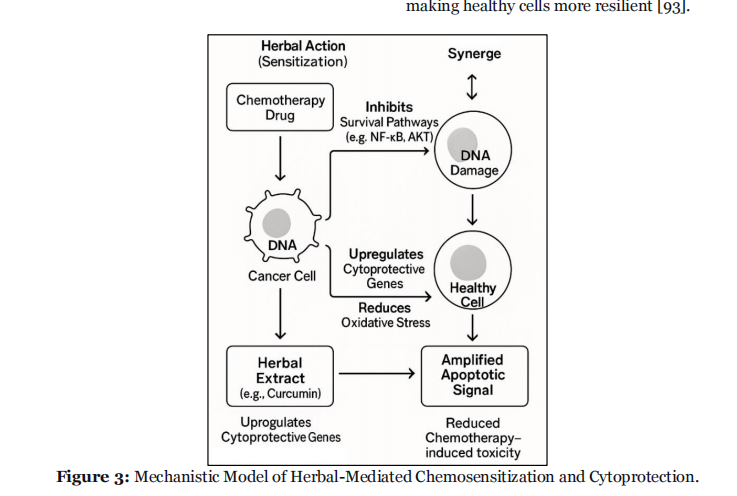
Figure 3 illustrates the efficacy of chemotherapy while protecting healthy cells. On the left, the diagram shows that the herbal agent acts as a chemosensitizer for cancer cells. It does this by inhibiting key survival pathways like NFκB and AKT that cancer cells use to resist death. This action synergizes with the DNA damage caused by the chemotherapy drug, leading to an amplified apoptotic cell death signal and effectively overcoming the cancer cell’s defense mechanisms.
Conversely, on the right, the same herbal extract demonstrates a cytoprotective effect on healthy cells. It upregulates genes that protect cells from damage and reduces oxidative stress, thereby shielding the healthy tissue from the toxic side effects of the chemotherapy.
This model elegantly depicts how a single herbal intervention can achieve a therapeutic synergy by selectively making cancer cells more vulnerable to treatment while simultaneously making healthy cells more resilient [93].
6.1. Herbal Medicines as Chemo- and Radio-Sensitizers
A key area of research focuses on using herbs to increase the susceptibility of cancer cells to conventional treatments. Multiple studies have demonstrated that curcumin can sensitize cancer cells to chemotherapy agents such as 5FU and oxaliplatin, as well as to radiotherapy, by inhibiting cell survival pathways including NFκB and AKT.
This mechanism allows the use of lower and less toxic doses of conventional therapies without compromising therapeutic efficacy. Similarly, quercetin has been shown to enhance the effects of doxorubicin in breast cancer and cisplatin in oral cancer by elevating oxidative stress and promoting apoptosis.
Extracts from Juniperus communis have also exhibited strong synergistic effects with 5Fluorouracil, enabling reduced drug dosages while maintaining effective inhibition of cancer cell growth in oral cancer models [94].
6.2. Herbal Interventions for Mitigating Side Effects
As previously detailed, herbs like ginger, calendula, and ashwagandha are evidence-based interventions for managing the side effects of surgery, chemotherapy, and radiotherapy, directly improving treatment tolerance and quality of life [95].
6.3. Overcoming Multidrug Resistance with Phytochemicals
Multidrug resistance, often mediated by the P-glycoprotein efflux pump, represents a significant clinical obstacle in cancer therapy. Several phytochemicals have demonstrated the ability to inhibit P-glycoprotein, thereby enhancing the intracellular retention and cytotoxic efficacy of chemotherapeutic agents.
Piperine, derived from black pepper, is a well-known bioenhancer that inhibits both P-glycoprotein and drug-metabolizing enzymes, thereby improving the bioavailability and therapeutic activity of multiple agents, including curcumin and certain chemotherapeutic drugs.
Similarly, silymarin, extracted from milk thistle, has been shown to reverse multidrug resistance in various cancer cell lines while simultaneously providing hepatoprotective effects against chemotherapy-induced organ toxicity [96].
6.4. Case Studies of Successful Integration in Specific Cancers
In colorectal cancer, a randomized controlled trial demonstrated that patients with metastatic disease who received a standardized ginger extract in conjunction with chemotherapy experienced a significant reduction in the severity of chemotherapy-induced nausea.
In breast cancer, the use of Viscum album (mistletoe) therapy as an adjunct to chemotherapy in patients with advanced disease was associated with improved quality of life and a reduction in chemotherapy-related adverse effects.
In head and neck cancer, the botanical drug APG157, which contains curcumin, showed in a phase I clinical trial the ability to modulate the tumor microenvironment in oral cancer patients, suggesting its potential as a promising adjunct for combination with immunotherapy [97].
6.5. Proposed Model for an Integrative Oncology Framework
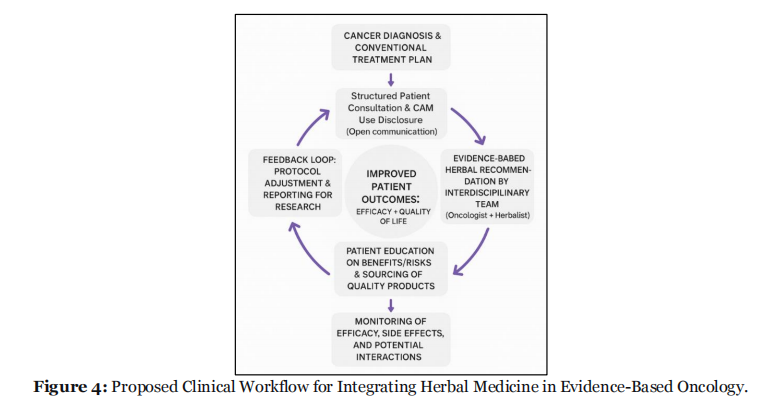
Figure 4 outlines a systematic, patient-centered protocol for the safe and effective integration of herbal medicine into conventional cancer care.
The process begins following a cancer diagnosis and the establishment of a conventional treatment plan, initiating a critical step of structured patient consultation that encourages open communication and full disclosure of any current or contemplated CAM use.
This disclosure informs a collaborative, evidence-based herbal recommendation developed by an interdisciplinary team comprising both oncologists and trained herbalists, ensuring therapeutic goals are aligned and potential risks are managed.
The patient is then educated on the specific benefits, risks, and crucially, on sourcing verified, high-quality products to mitigate issues of adulteration or contamination.
The core of the workflow is the continuous monitoring of the patient for clinical efficacy, side effects, and any potential herb-drug interactions.
This data feeds into a continuous feedback loop, allowing for the adjustment of the herbal protocol and contributing to broader research, ultimately aiming to improve primary patient outcomes by enhancing both treatment efficacy and quality of life [98].
A successful integrative model requires a structured and collaborative framework. Open communication between patients and clinicians is essential, with oncologists proactively and without judgment inquiring about the use of complementary and alternative medicine during each consultation. Integration should be guided by evidence, recommending only those herbal therapies with established safety and efficacy for specific indications, such as ginger for chemotherapy-induced nausea. Interdisciplinary collaboration among medical oncologists, radiation oncologists, surgeons, naturopathic practitioners, herbalists, and pharmacists ensures comprehensive and coordinated care. Patient education is equally critical, emphasizing the potential benefits and risks, particularly herb–drug interactions, and the necessity of using high-quality, standardized herbal preparations. Continued support for rigorous clinical research is vital to strengthen the evidence base and refine integrative oncology protocols for safe and effective implementation [99].
7. Comparative Analysis Table: Allopathic vs. Herbal Interventions in Oncology
Table 1 provides a comprehensive comparative overview of the fundamental differences and complementary strengths between allopathic (conventional) and herbal (traditional or complementary) systems of medicine in the context of cancer care. Conventional medicine, grounded in biomedical science, follows a disease-centered approach that aims to directly eliminate the tumor through well-established modalities such as surgery, chemotherapy, radiotherapy, targeted therapy, and immunotherapy. Its strength lies in precision, reproducibility, and robust evidence derived from large-scale randomized controlled trials, supported by stringent regulatory frameworks like the FDA and EMA. However, this system is often accompanied by systemic toxicity, high financial burden, and limited patient-centered focus [100]. In contrast, herbal medicine adopts a holistic and patient-centered philosophy, emphasizing the restoration of internal balance and the body’s innate healing mechanisms. Herbal therapies utilize complex mixtures of bioactive compounds that act on multiple cellular pathways simultaneously, offering benefits such as apoptosis induction, anti-angiogenic effects, immunomodulation, and antioxidant protection. While generally better tolerated, their clinical use is challenged by variability in standardization, lack of regulatory oversight, and limited large-scale clinical validation [101]. Importantly, the table highlights the complementary potential of both systems. While allopathic medicine serves as the “spear” for aggressive tumor control and curative intent, herbal medicine functions as the “shield,” mitigating side effects, improving quality of life, and potentially enhancing therapeutic outcomes through adjuvant use. Together, their integration offers a balanced model of evidence-based, patient-centered oncology that combines the curative precision of modern medicine with the restorative wisdom of traditional healing [102].
Table 1: Overview of the comparisons between conventional and traditional medicine.
| No. | Aspect | Allopathic (Conventional) Medicine | Herbal (Traditional/Complementary) Medicine | References |
| 1 | Philosophical Foundation & Approach | Focuses on disease pathology (tumor); aims to eliminate the pathogen/dysfunction. Health is absence of disease. | Views health as balance between body, mind, and environment; aims to restore self-healing and treats the whole person. | [103] |
| 2 | Primary Mechanism of Action | Chemotherapy kills rapidly dividing cells; targeted therapy blocks specific molecules; immunotherapy activates immunity against cancer. | Multiple compounds act on several pathways, including apoptosis, anti-angiogenesis, immunomodulation, and antioxidant effects. | [104] |
| 3 | Treatment Modalities | Surgery, chemotherapy, radiotherapy, targeted therapy, immunotherapy. | Whole herbs, standardized extracts, decoctions, tinctures, capsules; single herbs or complex formulations (e.g., Triphala, Tongluo Jiedu). | [105] |
| 4 | Evidence Base & Regulation | Large randomized controlled trials; FDA and EMA approvals. | Primarily preclinical and small clinical studies; often marketed as dietary supplements with minimal oversight. | [106] |
| 5 | Standardization & Dosage | Pure single compounds, precise weight-based dosing, mandatory batch consistency. | Potency varies by plant source, harvest time and processing; doses often not standardized. | [107] |
| 6 | Efficacy in Tumor Control & Curative Potential | Gold standard for rapid tumor reduction and cure, especially early-stage and aggressive cancers. | Not considered curative for most advanced cancers; potential to enhance chemo/radiotherapy efficacy and reduce recurrence. | [108] |
| 7 | Safety & Toxicity Profile | Systemic toxicity, including myelosuppression, neurotoxicity and cardiotoxicity; risk–benefit is managed. | Often better tolerated, but with herb–drug interactions, contamination, and intrinsic plant toxicity. | [109] |
| 8 | Role in Managing Side Effects | Additional medications such as antiemetics and growth factors may cause polypharmacy. | Some herbs address multiple symptoms, such as ginger for nausea and calendula for dermatitis. | [110] |
| 9 | Challenge of Drug Resistance | Multidrug resistance through mechanisms like P-glycoprotein efflux can cause failure. | Some phytochemicals (e.g., piperine) can inhibit MDR pumps and re-sensitize cells. | [111] |
| 10 | Bioavailability & Delivery | Designed for bioavailability; intravenous routes bypass first-pass metabolism. | Compounds such as curcumin may have poor oral bioavailability and need advanced delivery systems. | [112] |
| 11 | Cost & Accessibility | Financial toxicity; targeted therapies and immunotherapies can be extremely expensive. | Raw herbs can be inexpensive, but standardized extracts and consultations may be costly and uninsured. | [113] |
| 12 | Patient Perception & Use | Viewed as potent but toxic; standard care. | Driven by desire for control, holistic care, cultural beliefs and symptom relief; non-disclosure to oncologists is common. | [114] |
| 13 | Primary Strength | Best chance for cure and rapid tumor control in many cancers; strong evidence framework. | Potential for quality-of-life support, symptom management and adjuvant use. | [115] |
| 14 | Primary Limitation | Damages healthy tissues and may be expensive. | Variable quality, lack of large-scale human trials, interaction risks. | [116] |
| 15 | Ideal Role in Cancer Care | Diagnosis, staging and first-line curative or life-prolonging treatment—the “spear.” | Potential supportive role for symptom management, quality of life and carefully evaluated adjunctive therapy—the “shield.” | [117] |
Several medicinal plants, including Mimosa pudica L. and Cyperus scariosus, have demonstrated notable therapeutic potential. Evidence indicates that certain species possess curative or supportive activity against diseases such as monkeypox and various cancers. Plants from the Cannabaceae family have also been reported to exhibit anticancer properties, with studies highlighting their potential in carcinoma management. Research on Mangifera indica L. has shown strong anticancer efficacy along with activity against Parkinson’s disease, conjunctivitis, COVID-19, cardiovascular disorders, and diabetes [118]. Additional investigations have explored its relevance to germplasm improvement, artificial intelligence-based applications, dysmenorrhea, vitiligo, and stereoisomeric strategies in cancer therapy. Advanced analytical technologies such as Gas Chromatography– Tandem Mass Spectrometry (GC–MS/MS) and High-Resolution Liquid Chromatography–Mass Spectrometry–Quadrupole Time-of-Flight (HR– LCMS–QTOF) have further advanced modern research in cancer treatment. Overall, extensive studies integrating conventional therapeutic approaches with traditional medicinal systems underscore the significant potential of these plants in managing cancer and other multifactorial diseases [119].
8. Discussion and Future Perspectives
8.1. Interpreting the Dichotomy and Synergy
This comprehensive analysis reveals that the allopathic and herbal systems are not in opposition but are, in fact, complementary. Allopathic medicine provides the powerful, targeted tools for direct tumor attack, representing the “spear” of cancer treatment. Herbal medicine provides the “shield,” offering protection from treatment toxicity, bolstering the host’s defenses, and managing the systemic consequences of the disease and its treatment. The future lies not in choosing one over the other, but in strategically combining the spear and the shield [120].
8.2. Major Hurdles in Herbal Medicine Research
For integration to be successful, the major challenges facing herbal medicine must be systematically addressed. Standardization requires strict adherence to Good Agricultural and Collection Practices and Good Manufacturing Practices to ensure that all herbal products are consistent, reproducible, and free from contaminants. Pharmacokinetic studies are essential to better understand the absorption, distribution, metabolism, and excretion profiles of complex herbal extracts rather than focusing solely on isolated compounds. Additionally, the creation of comprehensive and user-friendly herb–drug interaction databases is critical, providing clinicians with reliable tools to identify and manage potential interactions during integrative cancer care [121].
8.3. Recommendations for Future Research
A stronger clinical evidence base is essential for advancing the integration of herbal medicine in oncology. Priority should be given to well-designed Phase II and Phase III randomized controlled trials that evaluate specific herbal interventions as adjuvants to standard cancer therapies, with clearly defined endpoints such as reduction in treatment-related side effects, improvement in quality of life, and progression-free survival. Further investigation into the molecular mechanisms underlying the synergistic effects of herbs with chemotherapy and radiotherapy is also required to support rational combination strategies. Additionally, the development of novel delivery systems, including nanotechnology-based carriers, liposomes, and phospholipid complexes, is crucial to address the bioavailability limitations of key phytochemicals such as curcumin and resveratrol, thereby enhancing their therapeutic efficacy and clinical applicability [122].
8.4. The Imperative of Interdisciplinary Collaboration
Breaking down the silos between conventional and traditional medicine practitioners is essential. Tumor boards should include integrative medicine specialists to help design safe and effective combination therapies. This collaboration is vital for patient safety and for advancing the field [123].
8.5. Policy and Educational Implications
Policy reform is essential to facilitate the safe and evidence-based integration of herbal medicine into mainstream healthcare. Governments and regulatory authorities should establish a balanced framework for the regulation of herbal products intended for therapeutic use, mandating rigorous proof of quality, safety, and, ultimately, clinical efficacy. Education also plays a pivotal role in this integration process. Medical and pharmacy school curricula must incorporate foundational training on commonly used complementary and alternative medicine therapies, including their scientific evidence, mechanisms of action, and potential herb–drug interactions. This will enable future clinicians to provide informed, evidence-based guidance to patients and promote safer, more holistic approaches to healthcare [124].
Conclusion
The journey through the landscapes of allopathic and herbal medicine in cancer care reveals two powerful, yet fundamentally different, paradigms. Allopathic oncology, with its precise, potent, and evidence-based arsenal, stands as the undisputed champion in the direct fight against cancer, offering hope for cure and control. Herbal medicine, rooted in ancient wisdom and now being validated by modern science, offers a holistic, supportive, and multi-targeted approach that prioritizes the patient’s overall well-being and can enhance the safety and efficacy of conventional treatments. The comparative analysis conclusively demonstrates that the question is not “Which is better?” but rather “How can they best be used together?” The integration of these systems is not a retreat to pseudoscience but an evolution towards a more sophisticated, personalized, and compassionate model of care Integrative Oncology. To realize this vision, a concerted effort is required from researchers, clinicians, regulators, and educators to build a robust evidence base, ensure product quality, foster open communication, and ultimately, provide cancer patients with the most comprehensive, effective, and humane care possible. The goal is a future where every patient has access to the full spectrum of therapeutic options, seamlessly integrated to fight the disease while nurturing the person.
Acknowledgement
The authors sincerely acknowledge the guidance of senior faculty and colleagues in the field of Ayurveda and integrative medicine. The authors also thank the librarians and digital resources that facilitated access to classical Ayurvedic texts and contemporary biomedical literature.
Author Contributions
HR; Literature search, SKJ; Conceptualization of the review, MN; Manuscript drafting, PK; Figure and table preparation, SC; Interpretation of literature, HS; Critical analysis, PG; Reference management, SKT; Supervision and final approval.
Conflict of Interest
The authors declare that there is no conflict of interest related to this manuscript.
Source of Funding
This review did not receive any specific grant from funding agencies in the public, commercial, or not-for-profit sectors.
Ethical Statement
As this article is a narrative review and conceptual analysis, it did not involve human participants or animal experimentation. Hence, approval from an institutional ethics committee was not required.
Use of Artificial Intelligence Tools
The authors used AI-based language tools (ChatGPT and Grammarly Premium) only for language editing and clarity. All scientific content was created, reviewed, and approved by the authors.
Data Availability Statement
No new data were generated or analyzed in this study. All information is derived from previously published literature.
References
1. M. R. Bhise, V. Trivedi, S. Devi, A. Kumar, T. Jayendra, and K. Sunand, “Graphene Quantum Dots in Cancer Diagnostics and Therapeutics : Advances in Biosensing , Imaging , and Treatment Applications,” Curr. Med. Sci., no. 0123456789, 2025, doi: 10.1007/s11596-025-00155-8.
2. J. T. Arnold, “Integrating ayurvedic medicine into cancer research programs part 2: Ayurvedic herbs and research opportunities,” 2023. doi: 10.1016/j.jaim.2022.100677.
3. S. K. Kushwaha, P. Chandel, T. Singh, M. Thakur, and U. Pradesh, “Formulation and Evaluation of a Multicomponent Herbal Shampoo for Enhanced Hair and Scalp Health Department of Pharmacy , IIMT College of Medical Sciences , IIMT University , Ganga Nagar , Meerut-School of Pharmacy , Deshbhagat University Amloh Road , Ma,” Curr. Pharm. Res., vol. 1, no. 3, pp. 373–383, 2025.
4. A. Ahuja, J. Gupta, and R. Gupta, “Miracles of Herbal Phytomedicines in Treatment of Skin Disorders: Natural Healthcare Perspective,” Infect. Disord. – Drug Targets, 2020, doi: 10.2174/1871526520666200622142710.
5. P. Vishvakarma et al., “Nanocarrier Mediated Delivery of Gepotidacin : A Novel Triazaacenaph-thylene Antibiotic Targeting Drug-Resistant Bacterial Infections,” Anti-Infective Agents, pp. 1–18, 2026, doi: 10.2174/0122113525430497251211145738.
6. M. Shahnawaz, S. H. Batt, D. Sruthi, M. J. Mintoo, M. K. Sangale, and K. R. Hakeem, Advances in Integrative Medicine. 2025. doi: 10.1002/9781394336807.
7. R. Ahmad et al., “Mechanistic insights into the neuroprotective effects of Radix Astragali (Huang Qi): Bridging Traditional Chinese Medicine and modern pharmacology,” Pharmacol. Res. – Mod. Chinese Med., vol. 17, no. July, p. 100711, 2025, doi: 10.1016/j.prmcm.2025.100711.
8. I. Ali, M. Suhail, M. F. Naqshbandi, M. Fazil, B. Ahmad, and A. Sayeed, “Role of Unani Medicines in Cancer Control and Management,” Curr. Drug ther., 2018, doi: 10.2174/1574885513666180907103659.
9. N. Vutakuri, “Curcumin – Breast Cancer Therapeutic Agent to Replace Allopathic Treatments with Extensive Side Effects,” J. Young Investig., 2018.
10. S. Ali, S. A. Ali, S. Shamim, and N. A. Farooqui, “Emerging Trends in the Pathogenesis, Diagnosis, and Management of Human Metapneumovirus-Associated Respiratory Infections,” Anti-Infective Agents, vol. 24, 2025, doi: 10.2174/0122113525396349251011213223.
11. D. Priya et al., “Indigenous plants as Oral Herbal Contraceptive: an Updated Review,” Int. J. Indig. Herbs Drugs, 2023, doi: 10.46956/ijihd.v8i4.479.
12. S. A. Ali, S. Ali, and S. Shamim, “Role of Artificial Intelligence in Transforming Diagnosis, Treatment, and Patient Care: A Review,” Curr. Pharmacogenomics Person. Med., vol. 23, 2025, doi: 10.2174/0118756921404728251019182202.
13. A. K. Pareek, S. Garg, M. Kumar, and S. M. Yadav, “Herbal medicine in cancer treatment and its associated therapy,” Pharmanest, 2015.
14. M. Emam, “Comparative evaluation of antidiabetic activity of Rosmarinus officinalis L. and Chamomile recutita in streptozotocin induced diabetic rats,” Agric. Biol. J. North Am., 2012, doi: 10.5251/abjna.2012.3.6.247.252.
15. D. N. P. Dr.Nithya PV, D. J. K. J. Dr. Jojymol.K.Joy, and D. A. jayakrishnan Dr.Athulya jayakrishnan, “‘Integrative Oncology: Uniting Herbal and Allopathic Medicine for Cancer Management,’” Int. J. Pharm. Res. Appl., 2025, doi: 10.35629/4494-1002299308.
16. I. Jahan, S. Ali, J. Hak, S. Shamim, M. Kumar, and T. Ali, “Emerging Trends in Magnetic Nanoparticle Delivery, Synthesis and Applications in Biomedicine,” Drug Deliv. Lett., vol. 16, pp. 1–17, 2025, doi: 10.2174/0122103031400035251014115919.
17. L. Nahar, F. Ripa, A. H. Zulfiker, and M. Rokonuzzaman, “Comparative study of antidiabetic effect of Abroma augusta and Syzygium cumini on alloxan induced diabetic rat,” Agric. Biol. J. North Am., 2010, doi: 10.5251/abjna.2010.1.6.1268.1272.
18. K. Singh et al., “Emerging Applications and Innovations in Emulgel Technology for Enhanced Topical Drug Delivery,” Drug Deliv. Lett., vol. 15, pp. 1–16, 2025, doi: 10.2174/0122103031384904250930153320.
19. E. Saba et al., “A novel herbal formulation consisting of red ginseng extract and Epimedium koreanum Nakai-attenuated dextran sulfate sodium-induced colitis in mice,” J. Ginseng Res., 2020, doi: 10.1016/j.jgr.2020.02.003.
20. N. Taneja, A. Alam, R. S. Patnaik, and T. Taneja, “Unmasking the potential role of plant-based medicine ‘Plumbagin’ in oral cancer—A Novel Paradigm,” 2022. doi: 10.1002/osi2.1107.
21. J. L. McQuade et al., “Utilization of and attitudes towards traditional chinese medicine therapies in a Chinese Cancer Hospital: A survey of patients and physicians,” Evidence-based Complement. Altern. Med., 2012, doi: 10.1155/2012/504507.
22. R. Singh, S. Shamim, S. Ali, R. Kumar, and T. Ali, “A Global Public Health Review of the Mumps Virus: Epidemiology, Pathogenesis, and Advances in Vaccination,” Anti-Infective Agents, vol. 24, 2025, doi: 10.2174/0122113525412555250922164155.
23. G. Ondieki, M. Nyagblordzro, S. Kikete, R. Liang, L. Wang, and X. He, “Cytochrome P450 and P-Glycoprotein-mediated interactions involving African herbs indicated for Common Noncommunicable Diseases,” 2017. doi: 10.1155/2017/2582463.
24. B. B. Aggarwal et al., “From traditional Ayurvedic medicine to modern medicine: Identification of therapeutic targets for suppression of inflammation and cancer,” 2006. doi: 10.1517/14728222.10.1.87.
25. A. Shrivastava et al., “Heart Failure Management in the Modern Era: A Comprehensive Review on Medical and Device-based Interventions,” Curr. Cardiol. Rev., vol. 21, no. 6, pp. 1–14, 2025, doi: 10.2174/011573403×338702250226075044.
26. J. S. Yates et al., “Prevalence of complementary and alternative medicine use in cancer patients during treatment,” Support. Care Cancer, 2005, doi: 10.1007/s00520-004-0770-7.
27. S. et al. Singh, K., Gupta, J. K., Chanchal, D. K., Khan, S., Varma, A., Shanno, K., Kumar, S., & Shamim, “Deciphering the Genetic Landscape: Exploring the Relationship Between HLA-DQA1, HLA-DQB1, and HLA-DRB1 Genes in Diabetes Mellitus,” Curr. Pharmacogenomics Person. Med., vol. 21, no. 3, pp. 1–11, 2024, doi: 10.2174/0118756921310081240821065036.
28. R. Virmani and K. Pathak, “Herbal bioactives for pulmonary drug delivery systems,” in Herbal Bioactive-Based Drug Delivery Systems: Challenges and Opportunities, 2022. doi: 10.1016/B978-0-12-824385-5.00007-8.
29. M. A. Giffen and J. L. McLemore, “Hyperoxalosis Secondary to Intravenous Vitamin C Administration as a Non-Allopathic Treatment for Cancer,” Acad. Forensic Pathol., 2019, doi: 10.1177/1925362119851129.
30. A. Anand et al., “Neuroprotective Efficacy and Complementary Treatment with Medicinal Herbs: A Comprehensive Review of Recent Therapeutic Approaches in Epilepsy Management,” CNS Neurol. Disord. – Drug Targets, vol. 24, no. 1, pp. 60–73, 2024, doi: 10.2174/0118715273332140240724093837.
31. J. T. Arnold, “Integrating ayurvedic medicine into cancer research programs part 1: Ayurveda background and applications,” 2023. doi: 10.1016/j.jaim.2022.100676.
32. P. Kumar et al., “Fused Deposition Modeling 3D‑Printed Scafolds for Bone Tissue.pdf,” Appl. Biochem. Biotechnol., vol. 12, no. 22, pp. 1–11, 2024, doi: 10.54085/ap.2023.12.2.19.
33. T. Behl, C. Kumar, R. K. Singh, T. K. Arora, and S. Arora, “Traditional and Novel Herbal Drugs Emerging as Potent Novel Combinations for Managing Morbidities by Pharmacological and Mechanistic Studies,” J. Pharm. Technol. Res. Manag., 2018, doi: 10.15415/jptrm.2018.61004.
34. R. Chandrasekar, B. Sivagami, and M. N. Babu, “A Pharmacoeconomic Focus on Medicinal Plants with Anticancer Activity,” Res. J. Pharmacogn. Phytochem., 2018, doi: 10.5958/0975-4385.2018.00015.8.
35. Shamim, S. Ali, T. Ali, H. Sharma, B. N. Kishor, and S. K. Jha, “Recent Advances in Monodisperse Gold Nanoparticle Delivery, Synthesis, and Emerging Applications in Cancer Therapy,” Plasmonics, no. 0123456789, 2025, doi: 10.1007/s11468-024-02732-4.
36. Pankaj Kumar, Sumit Kumar, Ragini Kumari, and Vijay Bahadur Singh, “Ayurvedic Management of Ulcerative Colitis: A Case Study,” Int. J. Ayurveda Pharma Res., 2022, doi: 10.47070/ijapr.v10i6.2388.
37. M. R. Khan, D. Kumar, S. Shamim, K. Sunand, S. Sharma, and G. Rawat, “Ethnopharmacological relevance of Citrus limon (L.) Burm. f. as adjuvant therapy,” Ann. Phytomedicine An Int. J., vol. 12, no. 2, pp. 169– 179, 2023, doi: 10.54085/ap.2023.12.2.19.
38. J. Liu, Z. Geng, Y. Zhang, S. A. Alharbi, and Y. Shi, “Sesquiterpenoid bilobalide inhibits gastric carcinoma cell growth and induces apoptosis both in vitro and in vivo models,” J. Biochem. Mol. Toxicol., 2021, doi: 10.1002/jbt.22723.
39. Rani Khan et al., “Formulation and Characterisation of Herbal Ethosomal Gel of Luliconazole and Clove Oil for Modified Drug Diffusion to the Skin,” World J. Adv. Res. Rev., vol. 18, no. 4, pp. 488–501, 2025, doi: 10.1016/j.jaim.2024.100947.
40. NCI, “Complementary and Alternative Medicine (CAM) – National Cancer Institute,” 2015.
41. L. T. Nguyen et al., “Quercetin induces apoptosis and cell cycle arrest in triple-negative breast cancer cells through modulation of Foxo3a activity,” Korean J. Physiol. Pharmacol., 2017, doi: 10.4196/kjpp.2017.21.2.205.
42. A. Ma and R. Zhang, “Diosmetin inhibits cell proliferation, induces cell apoptosis and cell cycle arrest in liver cancer,” Cancer Manag. Res., 2020, doi: 10.2147/CMAR.S240064.
43. T. Ali, “Chromatography and Spectroscopic Characterization of Nano-Carrier Pharmaceuticals,” Pharm. Nanotechnol., 2024, doi: 10.2174/0122117385319695240911115239.
44. M. M. El-Naa, M. Othman, and S. Younes, “Sildenafil potentiates the antitumor activity of cisplatin by induction of apoptosis and inhibition of proliferation and angiogenesis,” Drug Des. Devel. Ther., 2016, doi: 10.2147/dddt.s107490.
45. H. S. S. & A. B. Pawan Kumar, Shamim, Mohammad Muztaba, Tarmeen Ali, Jyoti Bala, “Fused Deposition Modeling 3D‑Printed Scafolds for Bone Tissue.pdf,” 2024, Springer Nature. doi: 10.1007/s10439-024-03479-z.
46. L. Jian, Y. Mei, C. Xing, and Y. Rongdi, “Haem relieves hyperoxia-mediated inhibition of HMEC-1 cell proliferation, migration and angiogenesis by inhibiting BACH1 expression,” BMC Ophthalmol., 2021, doi: 10.1186/s12886-021-01866-x.
47. M. Strzelec, J. Detka, P. Mieszczak, M. K. Sobocińska, and M. Majka, “Immunomodulation—a general review of the current state-of-the-art and new therapeutic strategies for targeting the immune system,” 2023. doi: 10.3389/fimmu.2023.1127704.
48. P. Rasmus and E. Kozłowska, “Antioxidant and Anti-Inflammatory Effects of Carotenoids in Mood Disorders: An Overview,” 2023. doi: 10.3390/antiox12030676.
49. S. Rana, B. Pratap, P. S. Jadaun, and U. Pradesh, “Development and Evaluation of Liquorice Root Extract-Based Cream for the Management of Hyperpigmentation” Curr. Pharm. Res., vol. 1, no. 3, pp. 384–392, 2025.
50. L. Zhou and C. W. Yu, “Epigenetic modulations in triple-negative breast cancer: Therapeutic implications for tumor microenvironment,” 2024. doi: 10.1016/j.phrs.2024.107205.
51. K. Singh et al., “Recent Advances in the Synthesis of Antioxidant Derivatives: Pharmacological Insights for Neurological Disorders,” Curr. Top. Med. Chem., vol. 24, no. 22, pp. 1940–1959, 2024, doi: 10.2174/0115680266305736240725052825.
52. B. R. Cassileth, G. E. Deng, J. E. Gomez, P. A. S. Johnstone, N. Kumar, and A. J. Vickers, “Complementary therapies and integrative oncology in lung cancer: ACCP evidence-based clinical practice guidelines (2nd edition),” Chest, 2007, doi: 10.1378/chest.07-1389.
53. H. Sun, P. P. Li, Y. Z. Chen, and Q. Z. Guo, “Effect of Yiqi Xiaozheng granules on quality of life in patients with advanced malignant tumors,” Chinese J. Clin. Rehabil., 2005.
54. K. Singh et al., “Deciphering the Genetic Landscape: Exploring the Relationship Between HLA-DQA1, HLA-DQB1, and HLA-DRB1 Genes in Diabetes Mellitus,” Curr. Pharmacogenomics Person. Med., vol. 21, pp. 1–11, 2024, doi: 10.2174/0118756921310081240821065036.
55. C. B.R., D. G.E., G. J.E., J. P.A.S., K. N., and V. A.J., “Complementary therapies and integrative oncology in lung cancer: ACCP evidence-based clinical practice guidelines (2nd edition),” Chest, 2007.
56. P. Chandel, T. Singh, A. Sharma, F. Sahib, and M. Gobindgarh, “Emerging Biomarkers for Early Detection of Alzheimer ’ s Disease : Progress and Challenges School of Pharmacy , Deshbhagat University , off to NH-44 , Amloh Road , Mandi Gobindgarh District,” Curr. Pharm. Des., vol. 1, no. 3, pp. 364–372, 2025.
57. H. Sharma, A. P. Singh, D. Pathak, D. Taumar, and V. Chaudhary, “The Role of approved Kinase Inhibitors in Cancer Treatment : Medicinal Chemistry and Pharmacological Insights,” Med. Chem. (Los. Angeles)., pp. 1–18, 2025, doi: 10.2174/0115734064404334251024112120.
58. F. Moawad, R. Pouliot, and D. Brambilla, “Dissolving microneedles in transdermal drug delivery: A critical analysis of limitations and translation challenges,” 2025. doi: 10.1016/j.jconrel.2025.113794.
59. T. R. Shah and H. M. Ali, “Applications of hybrid nanofluids in solar energy, practical limitations and challenges: A critical review,” 2019. doi: 10.1016/j.solener.2019.03.012.
60. E. Colombo et al., “Absences and functional limitations: a critical challenge for the policies of human resources in healthcare organisations,” Mecosan, 2024, doi: 10.3280/mesa2024-130oa19740.
61. A. Mourad, A. Aissa, Z. Said, O. Younis, M. Iqbal, and A. Alazzam, “Recent advances on the applications of phase change materials for solar collectors, practical limitations, and challenges: A critical review,” 2022. doi: 10.1016/j.est.2022.104186.
62. Manisha Dev and Pallavi Chandel, “Nanostructured Lipid Carriers in Pulmonary Drug Delivery: Progress and Prospects,” Curr. Pharm. Res., vol. 1, no. 1, pp. 131–143, 2025, doi: 10.63785/cpr.2025.1.1.131143.
63. S. T. Rishan, R. J. Kline, and M. S. Rahman, “Applications of environmental DNA (eDNA) to detect subterranean and aquatic invasive species: A critical review on the challenges and limitations of eDNA metabarcoding,” 2023. doi: 10.1016/j.envadv.2023.100370.
64. J. Kumar et al., “CFTR mRNA-Based Gene Therapy for Cystic Fibrosis: A Mutation-Agnostic Strategy to Restore Ion Transport Function,” Curr. Gene Ther., no. January, pp. 1– 18, 2025, doi: 10.2174/0115665232413980251103133741.
65. Tarmeen Ali, “Nanomedicine Approaches to Overcome Barriers in Pulmonary Drug Delivery for Respiratory Diseases,” Curr. Pharm. Res., vol. 1, no. 1, pp. 30–44, 2025, doi: 10.63785/cpr.2025.1.1.3044.
66. S. Nieuwenhuizen et al., “Microwave Ablation, Radiofrequency Ablation, Irreversible Electroporation, and Stereotactic Ablative Body Radiotherapy for Intermediate Size (3–5 cm) Unresectable Colorectal Liver Metastases: a Systematic Review and Meta-analysis,” 2022. doi: 10.1007/s11912-022-01248-6.
67. A. Bin Sumaida, N. M. Shanbhag, and K. Balaraj, “Evaluating the Efficacy and Safety of CyberKnife for Meningiomas: A Systematic Review,” Cureus, 2024, doi: 10.7759/cureus.56848.
68. A. P. Singh et al., “Revolutionizing Drug and Gene Delivery: Cutting-Edge Smart Polymers for Precision Release,” Curr. Gene Ther., no. January, pp. 1–19, 2025, doi: 10.2174/0115665232390238251121074917.
69. H. Tan, J. Hu, and S. Liu, “Efficacy and safety of nanoparticle albumin-bound paclitaxel in non-small cell lung cancer: a systematic review and meta-analysis,” 2019. doi: 10.1080/21691401.2018.1552595.
70. P. Chandel, S. Shamim, and S. Ali, “A Comprehensive Review on Nanoemulsions for Improved Bioavailability and Therapeutic Efficacy in Gastrointestinal Disorders,” Drug Deliv. Lett., no. August, pp. 1–18, 2021, doi: 10.2174/0122103031410345251205075031.
71. E. T. P. Ayala et al., “Comparative analysis of ALA mediated sonodynamic therapy considering tumor size, light combination and ultrasound delivery in murine cutaneous melanoma,” Sci. Rep., 2025, doi: 10.1038/s41598-025-16366-x.
72. P. Kumar et al., “Trends of Nanobiosensors in Modern Agriculture Systems,” Appl. Biochem. Biotechnol., vol. 197, no. 1, pp. 667–690, 2024, doi: 10.1007/s12010-024-05039-6.
73. Robin Singh, “Revolutionizing Antimicrobial Therapies Through Biofilm-Targeted Nanomedicine,” Curr. Pharm. Res., vol. 1, no. 1, pp. 78–97, 2025, doi: 10.63785/cpr.2025.1.1.7897.
74. S. Karimi, A. Arabi, Z. Siavashpour, T. Shahraki, and I. Ansari, “Efficacy and complications of ruthenium-106 brachytherapy for uveal melanoma: a systematic review and meta-analysis,” J. Contemp. Brachytherapy, 2021, doi: 10.5114/jcb.2021.106191.
75. S. A. Ali, S. Ali, S. Rastogi, B. Shivhare, and M. Muztaba, “A Comprehensive Review on Advancements in Nanocarriers-Based Peptide Delivery for Cancer Therapeutics,” Micro Nanosyst., vol. 17, no. 4, pp. 283–297, 2025, doi: 10.2174/0118764029358553250325040749.
76. R. Sarkar, O. Saidani, L. Almuqren, S. Muhammad Amrr, A. Banerjee, and A. Salah Saidi, “Robust Control for Cancer Chemotherapy Through Time Delayed Estimation Philosophy,” IEEE Access, 2024, doi: 10.1109/ACCESS.2024.3406030.
77. S. Chawla, R. Gupta, S. K. Jha, and K. T. Jha, “Stereoisomerism in Chemistry and Drug Development: Optical, Geometrical, and Conformational Isomers,” Med. Chem. (Los. Angeles)., 2025, doi: 10.2174/0115734064366389250923044201.
78. Y. Su et al., “Safety and efficacy outcomes of delta‑like ligand 3 inhibitors for the treatment of solid tumors: A systematic review and single-arm meta-analysis,” Oncol. Lett., 2025, doi: 10.3892/ol.2025.14974.
79. Bhanu Pratap and Pankaj Singh Jadaun, “Hydrogel Microneedles: A Breakthrough in Disease Treatment and Drug Delivery Systems,” Curr. Pharm. Res., vol. 1, no. 2, pp. 60–77, 2025, doi: 10.63785/cpr.2025.1.1.6077.
80. R. Babiker et al., “Comparative Efficacy of Immune Checkpoint Inhibitors and Therapeutic Vaccines in Solid Tumors: A Systematic Review and Meta-Analysis of Randomized Controlled Trials,” 2025. doi: 10.3390/vaccines13040423.
81. A. et al. Kumar, J., M., T., Musayev, “Stimuli‑responsive Hydrogels for Targeted Antibiotic Delivery in Bone Tissue Engineering,” AAPS PharmSciTech, vol. 26, no. 217, pp. 1–23, 2025, doi: https://doi.org/10.1208/s12249-025-03218-0.
82. C. S. Cleeland et al., “The symptom burden of cancer: Evidence for a core set of cancer-related and treatment-related symptoms from the Eastern Cooperative Oncology Group Symptom Outcomes and Practice Patterns study,” Cancer, 2013, doi: 10.1002/cncr.28376.
83. Mukesh Kumar, Shadab Ali, and Smriti Gohri, “Microsponge Drug Delivery Systems: Advancing Methotrexate Delivery for Rheumatoid Arthritis Management,” Curr. Pharm. Res., vol. 1, no. 1, pp. 15–29, 2025, doi: 10.63785/cpr.2025.1.1.1529.
84. A. Amidi and L. M. Wu, “Circadian disruption and cancer-and treatment-related symptoms,” 2022. doi: 10.3389/fonc.2022.1009064.
85. V. Decker, A. Sikorskii, C. W. Given, B. A. Given, E. Vachon, and J. C. Krauss, “Effects of depressive symptomatology on cancer-related symptoms during oral oncolytic treatment,” Psychooncology., 2019, doi: 10.1002/pon.4916.
86. S. J. Harnas, S. H. Booij, I. Csorba, P. T. Nieuwkerk, H. Knoop, and A. M. J. Braamse, “Which symptom to address in psychological treatment for cancer survivors when fear of cancer recurrence, depressive symptoms, and cancer-related fatigue co-occur? Exploring the level of agreement between three systematic approaches to select the focus of ,” J. Cancer Surviv., 2024, doi: 10.1007/s11764-023-01423-z.
87. N. P. Grusdat et al., “Routine cancer treatments and their impact on physical function, symptoms of cancer-related fatigue, anxiety, and depression,” 2022. doi: 10.1007/s00520-021-06787-5.
88. J. Fink et al., “A Quality Brief of an Oncological Multisite Massage and Acupuncture Therapy Program to Improve Cancer-Related Outcomes,” J. Altern. Complement. Med., 2020, doi: 10.1089/acm.2019.0371.
89. K. K. Shah et al., “Adapting preference-based utility measures to capture the impact of cancer treatment-related symptoms,” Eur. J. Heal. Econ., 2021, doi: 10.1007/s10198-021-01337-6.
90. L. Dimitrov, E. Moschopoulou, and A. Korszun, “Interventions for the treatment of cancer-related traumatic stress symptoms: A systematic review of the literature,” 2019. doi: 10.1002/pon.5055.
91. S. K. Patel et al., “Inflammation-related proteins as biomarkers of treatment-related behavioral symptoms: A longitudinal study of breast cancer patients and age-matched controls,” Brain, Behav. Immun. – Heal., 2023, doi: 10.1016/j.bbih.2023.100670.
92. R. Knoerl et al., “Exploring Adolescent and Young Adult Cancer Survivors’ Experience with Cancer Treatment-Related Symptoms: A Qualitative Analysis of Semi-Structured Interviews,” J. Adolesc. Young Adult Oncol., 2024, doi: 10.1089/jayao.2024.0053.
93. I. Pinucci, A. Maraone, L. Tarsitani, and M. Pasquini, “Insomnia among Cancer Patients in the Real World: Optimising Treatments and Tailored Therapies,” 2023. doi: 10.3390/ijerph20053785.
94. A. Okem, C. Henstra, M. Lambert, and R. Hayeshi, “A review of the pharmacodynamic effect of chemo-herbal drug combinations therapy for cancer treatment,” 2023. doi: 10.1016/j.medidd.2022.100147.
95. S. Park, M. Kim, and S.-W. Lim, “Clinical Efficacy of Coptidis Rhizoma for Non-alcoholic Fatty Liver Disease: A Systematic Review,” J. Korean Med., 2022, doi: 10.13048/jkm.22048.
96. M. Ganesan et al., “Phytochemicals reverse P-glycoprotein mediated multidrug resistance via signal transduction pathways,” 2021. doi: 10.1016/j.biopha.2021.111632.
97. S. A. Eschrich et al., “Enabling Precision Medicine in Cancer Care Through a Molecular Data Warehouse: The Moffitt Experience,” JCO Clin. Cancer Informatics, 2021, doi: 10.1200/cci.20.00175.
98. J. J. Mao et al., “Integrative oncology: Addressing the global challenges of cancer prevention and treatment,” CA. Cancer J. Clin., 2022, doi: 10.3322/caac.21706.
99. F. Faccio, C. Renzi, A. V. Giudice, and G. Pravettoni, “Family resilience in the oncology setting: Development of an integrative framework,” Front. Psychol., 2018, doi: 10.3389/fpsyg.2018.00666.
100. A. Sparreboom, M. C. Cox, M. R. Acharya, and W. D. Figg, “Herbal remedies in the United States: Potential adverse interactions with anticancer agents,” 2004. doi: 10.1200/JCO.2004.08.182.
101. C. Roy, S. Ganguli, and P. Ghosh, “Rauwolfia serpentina in P-Glycoprotein Inhibition of Cancer & Diabetes – A Computational Study,” Int. J. Ayurvedic Med., 2025, doi: 10.47552/ijam.v15i4.5097.
102. S. Kannan and S. Gowri, “Clinical trials in allied medical fields: A cross-sectional analysis of World Health Organization International Clinical Trial Registry Platform,” J. Ayurveda Integr. Med., 2016, doi: 10.1016/j.jaim.2015.09.003.
103. S. Wang and L. Qin, “Homeostatic medicine: a strategy for exploring health and disease,” Curr. Med., 2022, doi: 10.1007/s44194-022-00016-9.
104. J. J. Villalba, R. D. Ramsey, and S. Athanasiadou, “Review: Herbivory and the power of phytochemical diversity on animal health,” 2025. doi: 10.1016/j.animal.2024.101287.
105. D. Al Dulaimi, “Recent advances in oesophageal diseases.,” Gastroenterol. Hepatol. from bed to bench, 2014.
106. A. D. D, “Recent advances in oesophageal diseases.,” Gastroenterol. Hepatol. from bed to bench, 2014.
107. H. Wang, Y. Chen, L. Wang, Q. Liu, S. Yang, and C. Wang, “Advancing herbal medicine: enhancing product quality and safety through robust quality control practices,” 2023. doi: 10.3389/fphar.2023.1265178.
108. B. Liu, H. Zhou, L. Tan, K. T. H. Siu, and X. Y. Guan, “Exploring treatment options in cancer: Tumor treatment strategies,” 2024. doi: 10.1038/s41392-024-01856-7.
109. N. Xiong, H. Wu, and Z. Yu, “Advancements and challenges in triple-negative breast cancer: a comprehensive review of therapeutic and diagnostic strategies,” 2024. doi: 10.3389/fonc.2024.1405491.
110. [110] K. Dvir, S. Giordano, and J. P. Leone, “Immunotherapy in Breast Cancer,” 2024. doi: 10.3390/ijms25147517.
111. V. P. Chavda, H. K. Solanki, M. Davidson, V. Apostolopoulos, and J. Bojarska, “Correction to: Peptide-Drug Conjugates: A New Hope for Cancer Management (Molecules, (2022), 27, 21, (7232), 10.3390/molecules27217232),” 2025. doi: 10.3390/molecules30122579.
112. F. H. Tang et al., “Recent advancements in lung cancer research: a narrative review,” 2025. doi: 10.21037/tlcr-24-979.
113. J. Peng et al., “The role and mechanism of cinnamaldehyde in cancer,” 2024. doi: 10.38212/2224-6614.3502.
114. S. Özkaya Gül and E. Aydemir, “The Use of Selective Serotonin Reuptake Inhibitor (SSRI) Antidepressants in the Treatment of Lung Cancer,” 2025. doi: 10.3390/ijms26104546.
115. A. J. Isaak, G. G. R. Clements, R. G. M. Buenaventura, G. Merlino, and Y. Yu, “Development of Personalized Strategies for Precisely Battling Malignant Melanoma,” 2024. doi: 10.3390/ijms25095023.
116. H. D. Lișcu et al., “Therapeutic Management of Locally Advanced Rectal Cancer: Existing and Prospective Approaches,” 2025. doi: 10.3390/jcm14030912.
117. Z. Orosz and Á. Kovács, “The role of chemoradiotherapy and immunotherapy in stage III NSCLC,” 2024. doi: 10.3389/pore.2024.1611716.
118. A. Ramaka, A. Rajan, and A. Somasundaram, “An overview of current immunotherapy approaches for treating gastrointestinal cancers,” 2025. doi: 10.1016/j.soi.2025.100191.
119. S. P. Nunes, R. Henrique, C. Jerónimo, and J. M. Paramio, “Dna methylation as a therapeutic target for bladder cancer,” 2020. doi: 10.3390/cells9081850.
120. Á. Marín García, “Finding synergies in Cognitive Translation and Interpreting Studies via task design,” Target. Int. J. Transl. Stud., 2025, doi: 10.1075/target.00034.mar.
121. E. G. Obahiagbon and M. C. Ogwu, “The Nexus of Business, Sustainability, and Herbal Medicine,” in Reference Series in Phytochemistry, 2024. doi: 10.1007/978-3-031-43199-9_67.
122. K. Barrick and R. Pfeffer, “Advances in Measurement: A Scoping Review of Prior Human Trafficking Prevalence Studies and Recommendations for Future Research,” J. Hum. Traffick., 2024, doi: 10.1080/23322705.2021.1984721.
123. S. Karimi and W. Omer, “Vector-Born Diseases in The Warming World, Imperative for Interdisciplinary Collaboration,” J. Nurs. Allied Heal., 2024, doi: 10.37939/jnah.v2i03.69.
124. P. K. Addo, “Review of Ghana’s Educational Policies and Its Implication for Educational Leadership in Developing Countries,” Intern. J. Psychol., 2019.
Authors :
Himani Raj¹, Sudhanshu Kumar Jha², Mansi Negi², Prachi Khandelwal², Sonam Chauhan², Himani Sharma³, Priya Goel², Sanjay Kumar Tiwari²*
Affiliations
¹ National Forensic Science University, Curti, Ponda, Goa, India
² All India Institute of Ayurveda, Government of India, New Delhi – 110076, India
³ Sanjeevani Ayurvedic Medical College, Amroha, Uttar Pradesh, India
Corresponding Author: Sanjay Kumar Tiwari